


分
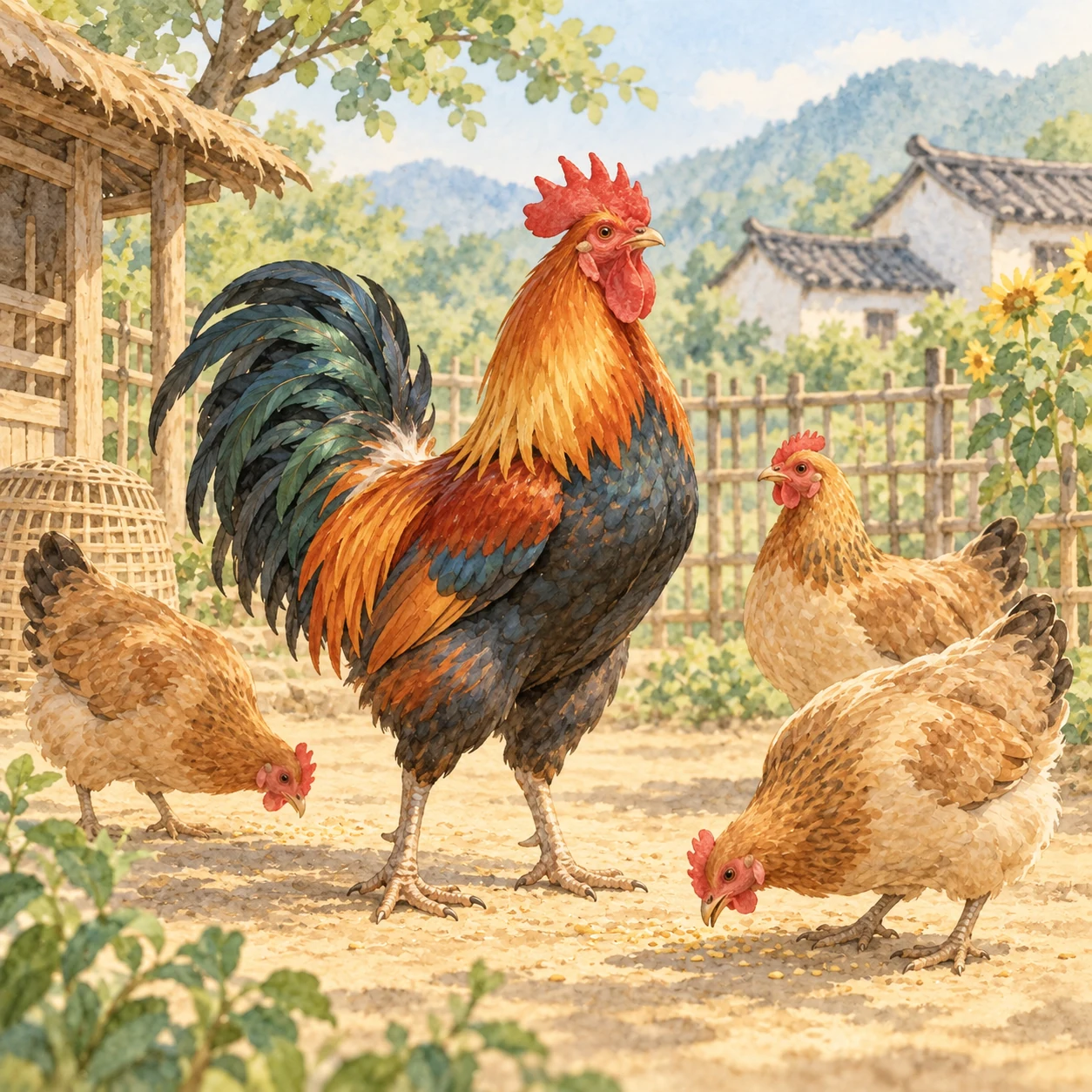
公 : Male Animal, Public, or Duke
公 (gōng) can mean “a male animal, or public, state-owned, fair, and impartial; it can also mean duke, an elderly gentleman, or a husband’s father” in Chinese.
公
TOP-500
Frequency
The ranking is based on data from open sources.
HSK 3.0 · Level 6
Translation
- (adj.) male (This word can only describe the animals)
- (char.) public, state-owned; generally accepted or acknowledged; international, of the world; open, overt; righteous; fair, impartial
- (char.) duke; Mister (term of address for an elderly man); (husband's side) father-in-law
Radical
Simplified
公
Traditional
公
Strokes count
4
Words with 公 46
Same pronunciation 16
Similar pronunciation 10
Synonyms 11
Antonyms 8
Writing and worksheets
Stroke order

Games & Exercises 9
Find Hanzi
Find Hanzi is a playful exercise for learning Chinese. Spot characters, boost attention, download PDF, and enjoy studying Chinese through games!
Find Radical
Practice Chinese radicals online: choose the Hanzi containing the target component, use optional pinyin hints, and create printable PDF exercises.
Tone Trainer
Learn Mandarin tones online with the Chinese Tone Trainer. Practice tone recognition, pronunciation, and exercises for beginners and advanced learners.
Hanzi Connect
Match Hanzi with pinyin or identify words by sound. Use your own vocabulary or HSK 3.0/YCT levels. Play online after sign-in; printable PDFs with answers are for PRO.
Lost Stroke
Play online: find the missing stroke or radical, restore Chinese characters in order, and create printable PDF worksheets with pinyin and answers.
Calligraphy
Create calligraphy and custom Chinese character coloring pages with pinyin, stroke order, outline styles, and writing grids. Download a print-ready PDF for class or home.
Memo
Flip cards to match Chinese characters or pair Hanzi with Pinyin. Build a custom HSK 3.0 or YCT deck, play online, and create printable PDF cards.
Sudoku
Play Hanzi Sudoku online with 4×4, 6×6, or 9×9 grids, four difficulty levels, custom characters, and HSK 3.0/YCT sets. Create printable PDFs with answers.
Writing trainer
Practice Chinese character writing online with correct stroke order, outlines, a 3–2–1 preview, mistake-based hints, pinyin, and focused Hanzi review.









Examples of use 31
我
还
没
想
好
要
不
要
去
那
个
公
司
工
作
。
I still have not finished thinking about whether or not I want to go and work at that company.
公
园
里
有
太
多
花
粉
了
,
他
不
能
去
,
他
去
的
话
会
生
病
的
。
There is too much pollen in the park. He can't go. If he goes, he will get sick.
张
老
师
出
去
了
,
不
在
办
公
室
。
Miss Zhang is out, not in the office.
听
说
有
好
几
家
大
公
司
会
来
招
聘
呢
。
I heard that several big companies will come to recruit.
我
们
的
车
在
大
山
里
沿
着
公
路
盘
旋
而
行
。
Our car circled along the highway in the mountains.
建
伟
在
大
学
的
一
座
公
寓
楼
里
开
了
一
家
书
店
,
顺
便
卖
点
儿
文
具
、
电
池
、
小
日
用
品
等
。
Jianwei opened a bookstore in an apartment building of the university, selling stationery, batteries and small daily necessities by the way.
您
想
查
哪
个
公
司
的
航
班
?
Which company's flight do you want to check?
我
妈
妈
是
一
家
公
司
的
经
理
。
My mother is the manager of a company.
为
什
么
公
司
的
规
定
这
么
严
格
?
Why are the company's regulations so strict?
爷
爷
喜
欢
每
天
早
上
和
朋
友
去
旁
边
的
公
园
走
一
走
。
Grandfather likes to go for a walk every morning with his friends in the park next to his place.↵
我
是
坐
公
共
汽
车
去
学
校
的
。
I go to school by bus.
他
的
体
重
是
六
十
公
斤
。
His weight is sixty kilos.
姐
姐
是
这
家
公
司
的
职
员
。
My sister is a clerk in this company.
在
中
国
,
公
立
学
校
是
什
么
样
的
?
What are public schools like in China?
无
论
明
天
天
气
好
不
好
,
我
都
要
去
公
园
。
Whether the weather is fine or not tomorrow, I will go to the park.
下
个
周
末
我
带
你
去
公
园
玩
,
好
不
好
?
I'll take you to the park next weekend, OK?
我
家
周
围
有
好
几
个
公
园
。
There are several parks around my home.
我
和
老
公
对
视
一
眼
,
这
么
小
的
孩
子
怎
么
学
会
了
背
后
议
论
人
。
My husband and I looked at each other. How did such a small child learn to talk about people behind his back?
这
位
作
家
每
天
早
上
都
跑
步
,
他
一
般
会
跑
十
五
公
里
。
The writer runs every morning. He usually runs fifteen kilometers.
公
司
离
家
远
吗
?
Is the company far from home?
听
说
新
开
了
一
家
海
洋
公
园
,
我
们
去
看
看
,
怎
么
样
?
I heard that a new ocean park has been opened. How about we go and have a look?
他
说
女
儿
念
了
硕
士
,
有
学
位
,
在
一
家
一
流
的
公
司
上
班
。
He said that his daughter has a master's degree and works in a first-class company.
他
到
了
办
公
室
我
就
告
诉
他
。
I'll tell him as soon as he gets to the office.
你
们
办
公
室
里
有
传
真
机
吗
?
Do you have a fax machine in your office?
公
园
里
有
厕
所
吗
?
Is there a toilet in the park?
你
应
该
坐
公
共
汽
车
去
。
You should go by bus.
公
元
前
2
6
0
年
,
赵
括
带
兵
出
战
。
In 260 BC, Zhao Kuo led troops to battle.
我
经
常
去
公
园
玩
滑
板
。
I often go skateboarding in the park.
我
坐
公
共
汽
车
上
学
。
I go to school by bus.
他
向
公
共
汽
车
跑
。
He runs towards the bus.
公
牛
bull
Learn 公 (gōng) in context
公 appears here with its available localized meaning and tone-marked pinyin gōng. Listen to the pronunciation and review any examples, illustrations, or lexical links shown for this entry.
Use the sections available on this page to compare characters, components, radicals, related words, matching pronunciation, synonyms, or antonyms. HanziDay shows only the information supported by this entry.
公 in HSK 3.0 Level 6
HanziDay organizes HSK 3.0 vocabulary around the new three-stage, nine-level framework. This entry belongs to Level 6; open the level list to study it alongside other vocabulary from the same stage.
Practice the stroke order for 公
Use the stroke animation to follow the writing order, then practice the sequence with the interactive writing tool. After signing in, you can also create a printable worksheet from this entry within your current allowance.